Where Paris High-End Fashion Encounters Tennis Heritage
The Casablanca Paris label was created around the philosophy that the finest occasions in sport happen not on the court but in the neighbouring spaces—the patio, the locker room and the evening gathering. Designer Charaf Tajer took inspiration from his own experiences navigating Parisian nightlife and Moroccan sunshine to establish a brand that approaches tennis as a visual and cultural sphere rather than a competitive discipline. From the very first collection in 2018, Casablanca Paris forged a connection to club life through silk shirts decorated with tennis rackets, nets and abundant vegetation. This was not performance gear; it was a reimagining of the tennis life reinterpreted through premium materials and elegant graphic design. By rooting the house in tennis heritage, Tajer accessed a long-standing history of refinement: picture the white flannels of 1930s players, the striped canopies of Roland-Garros and the social scene that surrounds Grand Slam events. In 2026, this tennis DNA persists as the emotional core of every Casablanca Paris collection, even as the label broadens into tailoring, outerwear and finishing pieces that go far beyond the court.
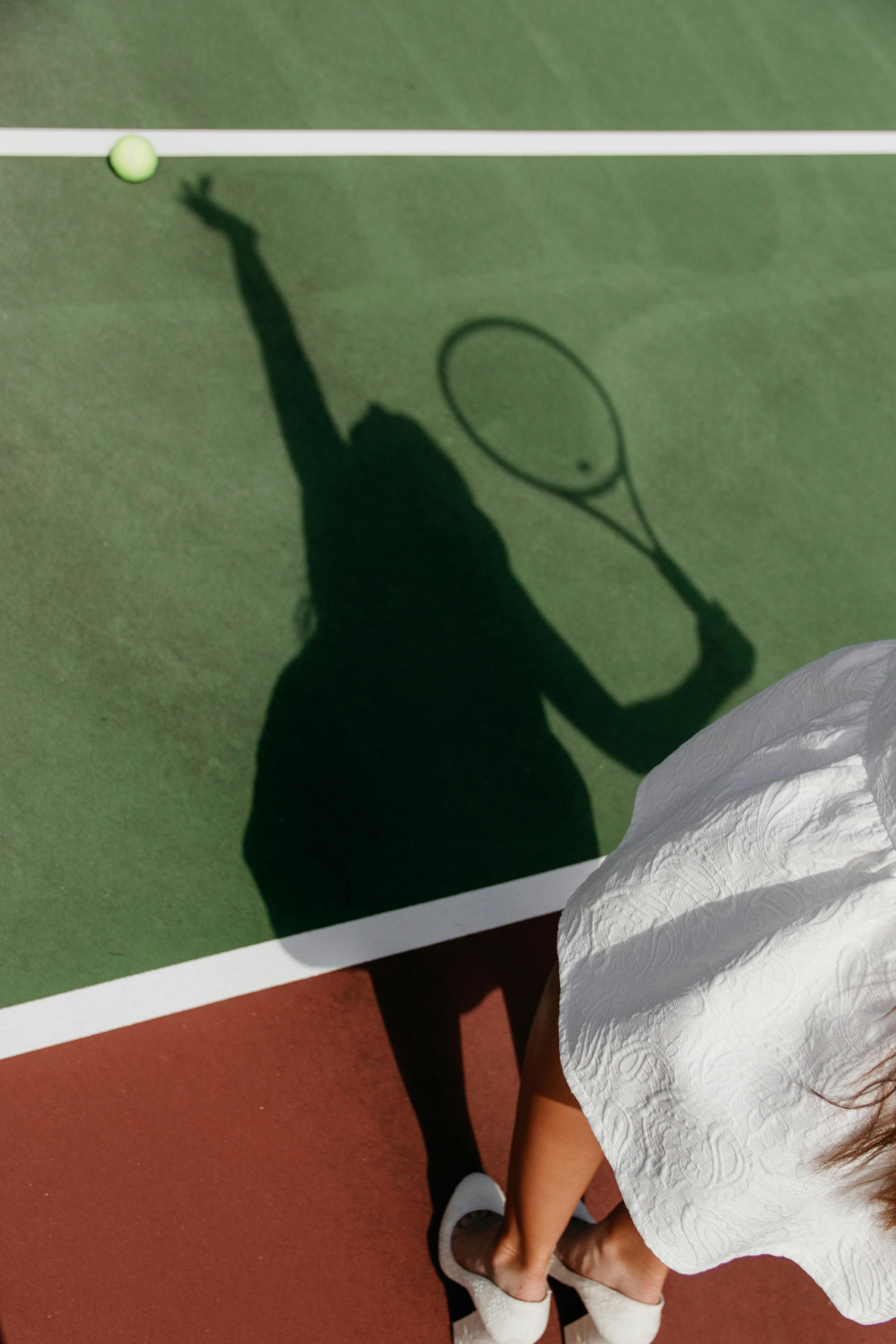
The Tennis Design Language in Casablanca Paris Collections
Tennis gives Casablanca Paris with a natural visual vocabulary that is both defined and widely resonant. Clay-court reds, grass-court greens, net-white stripes and sun-yellow accents permeate seasonal palettes, providing each season a sport-inspired cadence. Illustrations portray tournaments, onlookers, trophies and Mediterranean settings presented in a painterly, softly retro style that steers clear of obvious sportswear aesthetics. Logo crests borrow the shield-and-racket style of invented tennis clubs, adding a feeling of membership and exclusivity without referencing any actual club. Knitwear typically incorporates cable-knit or patterned motifs evocative of classic tennis sweaters, while buttoned collars and polo designs reference tournament attire. Terry cloth—a fabric associated casablanca t shirt with sideline towels and sweatbands—is used in shorts, robes and casual tops, deepening the tactile link with tennis. Even accessories like caps, visors and wristbands bear the Casablanca Paris crest, converting functional items into covetable brand signifiers. This layered approach guarantees that the tennis theme reads authentic and evolving rather than monotonous, keeping customers invested across multiple seasons in 2026 and beyond. A branded cap or woven belt can further reinforce the athletic mood without overwhelming the outfit.
Essential Tennis-Inspired Garments Across Seasons
| Garment | Tennis Inspiration | Common Fabric | Price Bracket (2026) |
|---|---|---|---|
| Silk printed shirt | Courtside viewer | Mulberry silk | $700–$1 200 |
| Terry shorts | Club changing room | Cotton terry | $350–$500 |
| Knit polo | Game-day uniform | Merino / cotton blend | $400–$650 |
| Track jacket | Warm-up layer | Satin / tricot | $600–$900 |
| Logo cap | Sun coverage on court | Cotton twill | $150–$250 |
| Crest-embroidered sweatshirt | Club affiliation | Premium fleece | $450–$700 |
Why Tennis Tradition Attracts High-End Shoppers
Tennis has for decades been tied to prosperity, prestige and social refinement, making it a natural partner for premium clothing. Elite clubs, exclusive courts and elite tournaments form settings where style, social grace and aesthetics converge. Unlike aggressive sports that emphasise force, tennis rewards grace, precision and self-expression—attributes that align closely with the ideals of high-end fashion labels. Casablanca Paris harnesses this cultural heritage by presenting clothing that envision an perfected portrait of the tennis world: forever sun-drenched, invariably social, without exception immaculately turned out. This alluring world resonates with buyers who may never participate in competitive tennis but who appreciate the culture it represents. In 2026, as health and athletics more and more merge with clothing design, the tennis theme appears even more relevant. Tournaments like Wimbledon, the US Open and Roland-Garros continue to draw high-profile attention and editorial coverage, bolstering the bond between tennis and fashion. Casablanca Paris thrives in this ecosystem by positioning itself as the wardrobe for individuals who aspire to seem as though they belong at the most prestigious institutions in the globe, whether they own a racket or not.
How Casablanca Paris Sets Itself Apart From Other Tennis-Inspired Fashion Lines
A number of fashion houses have experimented with tennis references over the years, from Ralph Lauren’s Wimbledon collaborations to Lacoste’s legacy range and Nike’s designer-influenced performance lines. What sets Casablanca Paris unique is the depth of its dedication to the design language and its decision not to make performance sportswear. While other brands may release a seasonal capsule themed around tennis every few seasons, Casablanca Paris constructs its whole identity around the discipline. Every drop includes garments that could believably belong to a imaginary tennis club from the 1970s, updated with present-day tones, graphics and silhouettes. The label never creates genuine performance tennis clothing—there are no sweat-wicking fabrics, no competition-grade shoes—which preserves the attention on aspiration and living rather than practicality. This distinction is crucial because it positions Casablanca Paris alongside high-end labels rather than sportswear companies, warranting elevated prices and more complex creative output. In 2026, competitors keep on drop occasional tennis-themed collections, but none have woven the narrative as completely into their DNA as Casablanca Paris, granting the house a narrative upper hand that is tough to replicate.
Incorporating Casablanca Paris With a Tennis Spirit in 2026
To introduce the Casablanca Paris tennis vibe into regular combinations, anchor with one standout item that carries an unmistakable courtside allusion—a illustrated silk shirt, a terry short, or a knit polo—and assemble the rest of the look around it with neutral separates. For men, teaming a silk shirt with refined cream trousers and suede loafers yields a polished evening-out or resort ensemble that echoes the after-match social scene. For women, pairing a Casablanca polo paired with a pleated midi skirt with minimal sandals achieves a sporty-chic ensemble perfect for city lunches and museum outings. Adding layers is also powerful: layer a track jacket over a clean T-shirt and jeans to introduce a flash of colour and courtside energy without resorting to full theme. During autumn and winter, a knit or sweatshirt with a subtle tennis crest can be worn under a long coat or blazer, bringing cosiness and charm to a smart casual outfit. The core idea is balance—let the Casablanca Paris item do the talking while the rest of the look offers a neutral base. This equilibrium keeps the tennis motif refined rather than over-the-top.
The Cultural Impact and Future of Casablanca Paris Tennis Fashion
Beyond garments, Casablanca Paris has contributed to a more expansive cultural shift in which tennis is embraced anew as a fashion reference for a contemporary, more varied demographic. Online campaigns showcasing athletes, artists and musicians in the house have widened the scope of tennis style beyond conventional private-club demographics. Pop-up events at major tournaments, limited-edition drops timed to Grand Slams and joint projects with tennis organisations maintain the house prominently engaged in athletic contexts. In 2026, the effect of Casablanca Paris is apparent not only in its own revenue but in the broader fashion industry’s growing interest in athletic-elegant clothing and lifestyle sport. Other luxury houses have started integrating tennis motifs, sport-inspired skirts and terry textiles into their ranges, a development that can be connected in part to the blueprint Casablanca Paris set. For customers, this signals more alternatives and more embrace of tennis-inspired style in everyday life. For the brand itself, the task is to push boundaries within its chosen territory so that it stays the definitive ambassador of high-end tennis fashion rather than one of many. Given Charaf Tajer’s profound personal bond to the concept and the brand’s track record of deliberate growth, Casablanca Paris is well positioned to keep that place for years to come. For more on the convergence of tennis and clothing design, see editorial features at Vogue and Highsnobiety.